

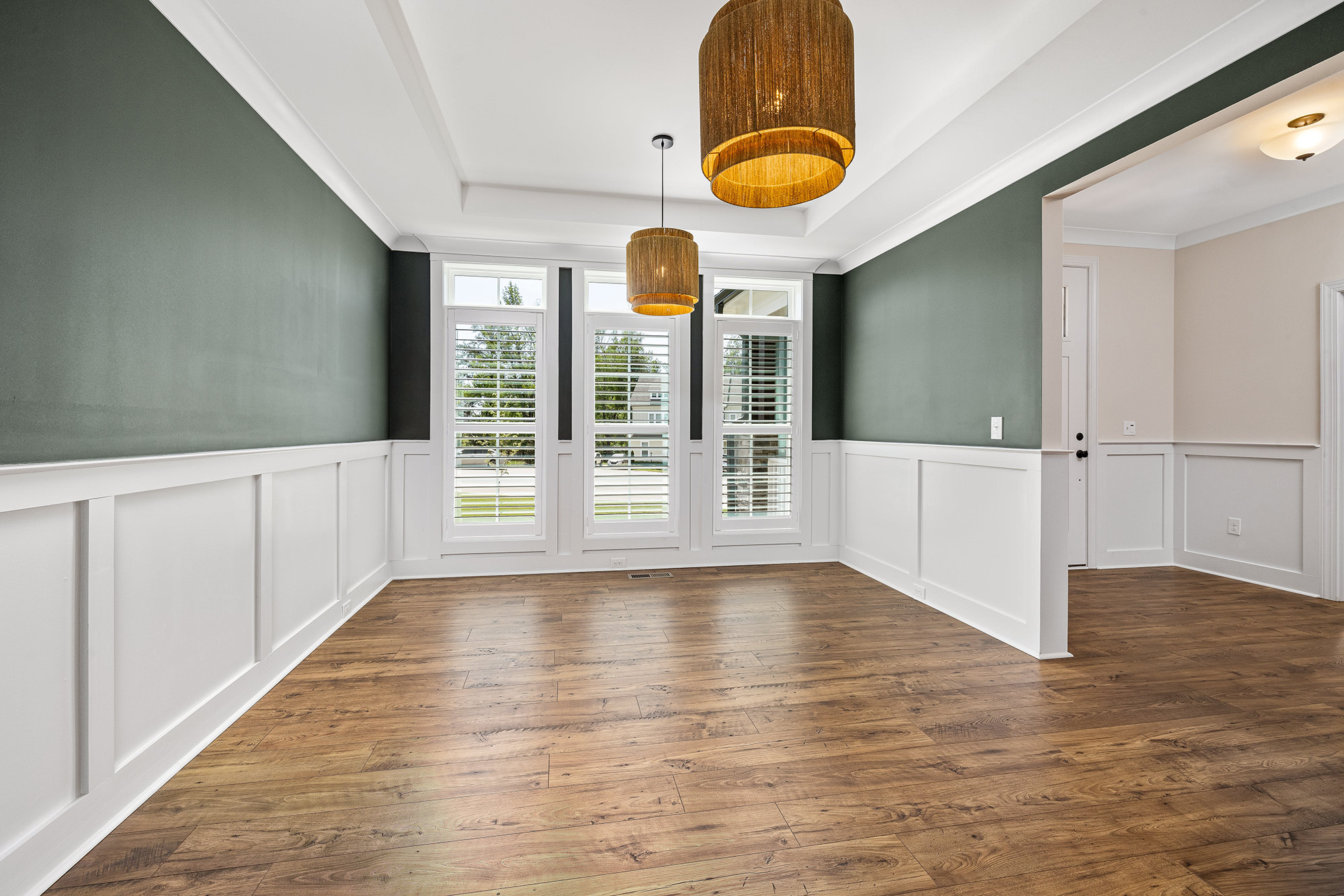
At Sistare Carpets Inc., we meet many homeowners who begin their hardwood flooring project with one big question in mind: What will the full installation really cost me? A hardwood flooring buying guide can give you general estimates, but the truth is that most Lancaster homeowners overlook several key factors that influence the final price. If you want a realistic understanding of hardwood flooring installation cost guide numbers, you need to look past the price tag on the plank and consider the details behind the installation process.
We are here to break down the most commonly forgotten expenses so you can plan confidently and avoid surprises.
1. Subfloor repairs and leveling
One of the highest hidden costs comes from the subfloor. Before our hardwood flooring installers can lay a single board, we must evaluate whether the surface beneath your floors is stable, level, and structurally sound. Even high-quality hardwood flooring near me searches won't prepare you for the fact that older homes often need repairs.
Subfloor expenses may include:
Plywood replacement
Leveling compound
Moisture barrier installation
Repairing creaks or soft spots
These costs vary widely, making them a major influence on hardwood flooring installation cost guide estimates.
2. Moisture control and vapor barriers
Moisture is one of hardwood's biggest enemies. When we install hardwood flooring in Lancaster, SC, we often discover that a moisture barrier or sealant is needed—especially in homes with crawl spaces or areas prone to humidity.
Additional moisture-control preparation can include:
Vapor barrier underlayment
Humidity testing
Sealers or protective membranes
If these steps are skipped, boards can warp, cup, or separate. Preventing moisture problems upfront is always more cost-effective.
3. Tear-out and disposal of existing flooring
Many homeowners forget to factor in the cost of removing and disposing of their old floors. Carpet, laminate, tile, and glued-down wood all involve different tear-out processes, and the labor involved directly affects the total cost.
Here are common tear-out additions:
Carpet removal with tack strip disposal
Tile demolition (labor-intensive)
Removing glued hardwood or engineered wood
Hauling and dumping fees
These steps must be completed before new material can be installed, making them unavoidable parts of your hardwood flooring buyer's guide.
4. Furniture moving and room preparation
Room prep is another overlooked line item. Hardwood flooring installers need clear, empty rooms to work efficiently and safely. While some homeowners choose to handle this themselves, others prefer to have us move the furniture and appliances.
Costs can increase if:
Heavy or oversized furniture requires special handling
Appliances must be disconnected
Built-ins or cabinetry affect installation flow
Preparing your home ahead of time can help reduce labor charges.
5. Trim, baseboards, and transitions
Your new hardwood floor isn't complete until the finishing touches are added. This is another area where costs vary depending on your home's layout.
Finish carpentry considerations include:
Baseboard replacement or repainting
Quarter-round installation
Transition pieces for doorways
Stair nose pieces
High-quality trim work elevates the final look of the installation, but can add unexpected expenses if not planned for.
6. Complexity of the layout
When homeowners search for hardwood flooring near me, cost estimates usually assume a simple room. However, the layout of your home can significantly influence installation labor.
Extra costs can come from:
Hallways with multiple turns
Small rooms with many cuts
Staircases
Patterned layouts such as herringbone or parquet
The more precise the installation, the higher the labor requirements.
7. Delivery, acclimation, and timing needs
Hardwood must acclimate to your home's temperature and humidity before installation. This may add one to three days to your project timeline. We also factor in:
Delivery charges
Storage needs
Scheduling adjustments during busy seasons
These timing elements can subtly increase the overall cost.
8. The grade and type of hardwood you choose
Of course, the wood itself affects the price. Your hardwood flooring buying guide should highlight how species, stain color, width, and grade affect your budget.
Price differences come from:
Premium species like hickory or walnut
Wide-plank hardwood
High-end finishes or textures
Select or prime-grade planks
Your final material choice has a major influence on the total installation cost.
Final thoughts
Hardwood flooring is a long-term investment, and understanding what drives installation costs helps you make a smarter, more confident decision. At Sistare Carpets Inc., we walk you through every item so you know exactly what you're paying for and why. Our team is here to make your hardwood installation efficient, transparent, and built to last.
Serving homeowners in Lancaster, Indian Land, Fort Mill, Kershaw, and Waxhaw.


